Se Habla Español - Póngase en contacto con nosotros. (863) 417 7117
Testosterone Optimization
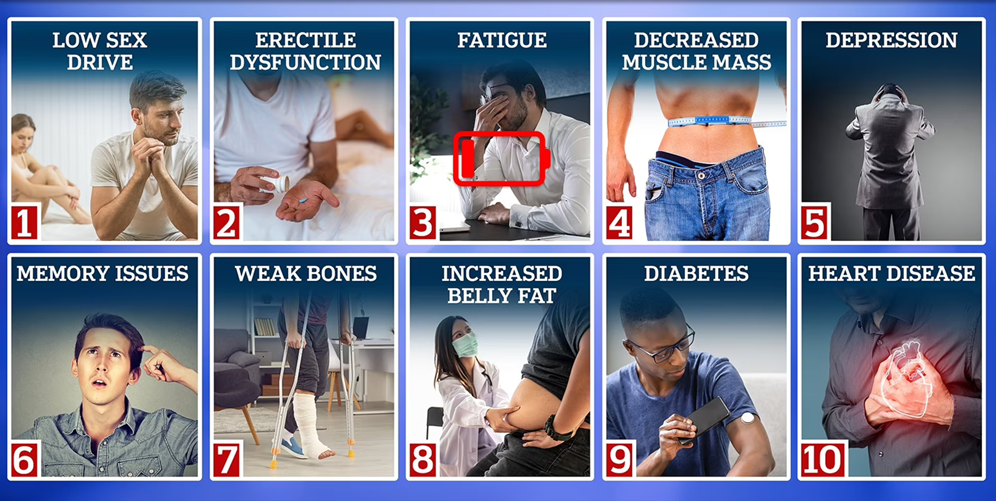
Reduced or Sub-Optimal Testosterone Levels?
Testosterone optimization involves strategies to maintain or increase testosterone levels. Testosterone naturally decline with age (about 1-2% per year after 30 in men), but lifestyle, diet, and medical interventions can influence them.
Natural Optimization Methods
1. *Exercise* Resistance training (weightlifting) and high-intensity interval training (HIIT) boost testosterone.
2. *Sleep* 7-9 hours of quality sleep is critical. Poor sleep reduced testosterone by up to 15%.
3. *Nutrition*Adequate protein (1.5-2 g/kg), healthy fats (avocados, nuts, olive oil), and moderate carbs.
Also*Zinc (oysters, red meat) and vitamin D (sunlight, supplements) are essential.
5. *Body Composition Analysis (BCA)* Maintaining a healthy body fat percentage (10-20% for men) is key.
Excess fat (visceral fat) increases estrogen and lowers testosterone.
6. *Avoid Toxins* Heavy drinking can reduce testosterone by up to 50%.
*Medical Interventions*
Testosterone Replacement Therapy (TRT)
-For clinically DOCUMENTED low testosterone (below 300 ng/dL in men, confirmed by tests), TRT (injections) can rapidly restore levels, followed by maintenance support with cream.
-Requires medical supervision due to risks like infertility, heart issues, or prostate concerns.
-Clomiphene: stimulate natural testosterone production in younger men or those wanting to preserve fertility, often used as alternatives to TRT.